9 Things to Know Before Hiring UGC Creators

Table of contents
Finding brand voices that actually sound like your customers is harder than it looks. South African marketers are hiring UGC creators to close that gap, but the category is noisy and the offers look similar until you know what to ask.
This guide breaks down nine things that change a hiring decision: who you source, how you brief, what rights you secure, and how you measure the work once it is live.
01
Key Takeaways: How to Find UGC Creators in South Africa in 2026

Authenticity matters more than follower count when selecting creators for brand campaigns in South Africa.
Proof of purchase verification confirms creators have genuine experience with your products before posting.
Brand fit assessment ensures the creator's audience demographics match your target customer profile precisely.
theSalt profiles every creator with 70+ data points to match them accurately to brand campaigns.
Campaign reporting metrics should include conversion tracking, not just engagement stats, for measuring success.



02
What You Need to Know About Hiring UGC Creators

Verify Authenticity Before Anything Else
The most valuable asset a UGC creator brings is trust with their audience. Before signing anyone, review their content history for consistency and genuine engagement patterns.
Look for creators whose posts generate meaningful comments and conversations, not just likes. Authentic creators maintain a consistent voice across their platforms and have built relationships with followers over time through honest recommendations.

Assess Brand and Audience Fit
A creator with a million followers means nothing if those followers aren't your target customers. Examine the creator's audience demographics, including age, location, interests, and purchasing behaviour.
For South African campaigns, local relevance is critical. Creators who understand cultural nuances in Johannesburg may approach content differently than those based in Cape Town or Durban. Match creators to specific regions when geographic targeting matters.

Request Proof of Purchase or Product Experience
The most compelling UGC comes from creators who have actually used your product. Verified consumers sharing real experiences generate higher trust than creators given products solely for promotion.
Consider implementing product sampling programmes that get your offerings into creators' hands naturally. When creators speak from genuine experience, their content carries weight that scripted promotions cannot match.

Review Past Campaign Performance
Check out theSalt for case studies or results from previous brand collaborations. Experienced influencer marketing agencies should be able to share metrics like engagement rates, click-through rates, and conversion data.
Be cautious of creators who can only speak to follower counts or impressions. These surface-level numbers don't reveal whether their content drives meaningful action from audiences.

Evaluate Content Quality and Production Value
Scroll through a creator's feed to assess their visual style, writing quality, and overall production standards. Their existing content should align with your brand's aesthetic requirements.
That said, polished production isn't always the goal. Sometimes raw, authentic content filmed on a smartphone performs better than studio-quality productions. Define what 'quality' means for your specific campaign objectives before evaluating creators.

Understand Their Content Creation Process
Ask creators about their typical workflow from brief to delivery. Do they prefer detailed scripts or creative freedom? How long do they need to produce content? What revision rounds do they expect?
Clear communication about process expectations prevents frustration on both sides. Creators who can articulate their approach likely have experience delivering professional results for brands.

Clarify Usage Rights and Licensing
Content ownership can become complicated if not addressed upfront. Determine whether you need rights to repurpose creator content across your own marketing channels, paid media, or retail displays.
Different usage rights often carry different pricing. A creator may charge one rate for organic social posts and another for content you'll run as paid advertisements. Get these terms in writing before production begins.

Set Clear Reporting Expectations
Define what success looks like before the campaign launches. Will you track awareness metrics, engagement, website traffic, or actual sales? Make sure creators understand which metrics matter to your business.
Request access to first-party analytics when possible. Platform-native insights from the creator's account give you more reliable data than third-party estimates.

Build for Long-Term Relationships, Not Quick Wins
The most successful creator partnerships develop over time. Creators who become genuine fans of your brand produce increasingly authentic content with each collaboration.
Consider structuring deals as long-term ambassador programmes rather than quick posts. When creators know they'll work with you repeatedly, they invest more energy into understanding your products and representing your brand accurately.
03
How theSalt Helps Brands Find
the Right UGC Creators
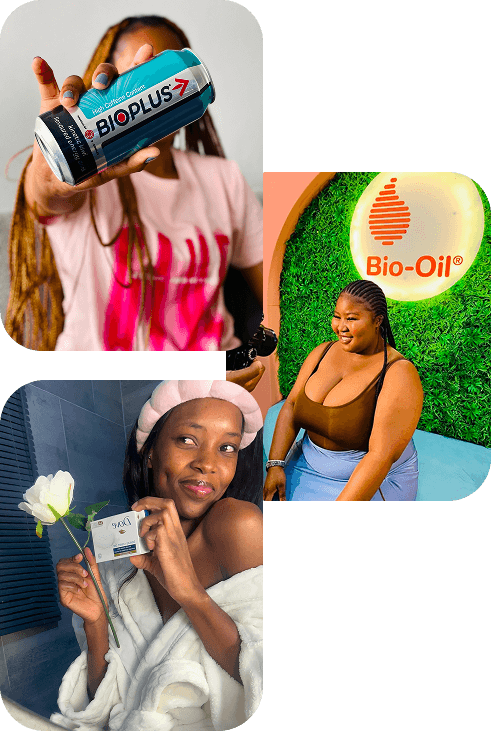
Vetting creators individually takes significant time and resources. theSalt simplifies this process by maintaining a community of over 730,000 verified South African creators, each profiled with 70+ lifestyle data points covering everything from banking behaviour to shopping habits. This detailed profiling means your brand connects with creators who genuinely relate to your products and target audience. The platform handles training, campaign management, and reporting so you can focus on strategy rather than logistics.
Ready to launch your next campaign with creators who authentically represent your brand? Book a demo with theSalt to see how community-powered marketing delivers measurable results.



04
FAQs
What makes UGC creators different from traditional influencers?
How many UGC creators should I hire for a campaign?
What should I pay UGC creators in South Africa?
How do I measure ROI from UGC creator campaigns?
Can I repurpose UGC content for paid advertising?
How long does it take to see results from UGC campaigns?
If you're not in the conversation, you're still being talked about.
Your next campaign is already in theSalt's network
More than 730,000 real South Africans, profiled, verified and ready to talk about brands they genuinely connect with. With theSalt Activate, customer voices are accessible at a speed and price point that changes what is possible.