Q4 retail readiness: why regular South Africans, not influencers, will win the season of highest discretionary spend

Q4 retail campaign with everyday South African creator content
The Wall Street Journal recently reported something worth pausing on: algorithms on major social platforms are increasingly favouring content from ordinary people with a few hundred followers over polished, professional creators. Not out of sentiment. Because real people drive real engagement, and engagement is what moves product.
For South African brand marketers planning Q4, that shift is not a footnote. Black Friday, the festive season, December gifting, and holiday travel represent the single highest concentration of discretionary spend in the local retail calendar. If your campaign still centres on a handful of macro-influencers posting glossy content, you are fighting both the algorithm and the consumer at the same time.
Here is why the brands that win Q4 2026 will build around verified, everyday South Africans, and why September is the last practical window to get that infrastructure in place.

01

The Q4 opportunity runs longer than one Friday

Most brand conversations about Q4 start and end with Black Friday. That is a costly narrowing of focus. Black Friday is one day, or at best one week. The real opportunity runs from late October through to the end of December. It covers considered purchases: furniture, electronics, appliances, where consumers research for weeks before committing.
It covers gifting decisions where a trusted peer recommendation carries more weight than any brand ad. It covers holiday travel, where a genuine review from a real traveller moves a booking in a way that a sponsored post rarely does.
Brands that plan only for Black Friday hand the festive season and December travel window to competitors who thought further ahead. The full Q4 period is where share of wallet is genuinely up for grabs across FMCG, retail, beauty, financial services, and travel, all at once.

02

Why real people outperform polished creators in this window

Consumer trust is not evenly distributed. Someone with 500 followers who genuinely uses a product and says so plainly carries more credibility with their network than a creator with 200,000 followers posting their fifth sponsored product that week.
The Hootsuite 2026 Social Trends report found that nearly one in three consumers are less likely to choose brands using AI-generated ads. The same scepticism extends to content that feels produced, scripted, or transactional. During Q4, when purchase decisions carry real financial weight, that scepticism intensifies. People are spending more and they are more careful about who they trust.
The smartest brands are not abandoning creator marketing. They are shifting the composition of their creator base toward real, verified consumers whose content reads like a genuine recommendation rather than a media placement.
Real South African consumer sharing authentic product content

03

What a community-powered Q4 campaign actually looks like

Running this at scale requires infrastructure most brands do not have in-house. You need a large enough pool of real consumers to match to your specific category, audience profile, and campaign format. You need a way to brief, manage, and quality-check content at volume. And you need the data to ensure the people creating content for your brand actually reflect your target buyer.
theSalt operates a managed community of 730,000+ verified South African consumers, profiled across 70+ lifestyle data points. That depth of profiling means a big-ticket retail brand can reach consumers who are actively in a purchase consideration cycle for home furnishings; not just people who vaguely match a demographic bracket. A travel brand can reach consumers who have booked holiday travel in the past 12 months and are likely to do so again. A financial services brand can activate everyday verified customers rather than paid talent to carry the campaign.
The 186,800+ pieces of creator-generated content produced through the platform shows what community-powered campaigns produce at scale: not a few polished hero videos, but a broad, diverse body of authentic content covering multiple touchpoints across the purchase journey.
  • 730,000+

    verified South African consumers, profiled across 70+ lifestyle data points.

  • 186,800+

    pieces of creator-generated content produced through the platform

04

What Q4-relevant brands have already proven

The pattern across theSalt's published case studies is instructive for Q4 planning.
takealot.com

Takealot, operating in the festive gifting and e-commerce space, has used community-scale content to build purchase confidence at the point of decision. When a real South African consumer explains why they chose a product and what arrived at their door, that content does work a brand ad simply cannot replicate.

Club Med

Club Med used community voices to drive holiday travel consideration — a category where social proof from genuine travellers carries exceptional weight. Consumers planning a December break are not looking for aspirational imagery. They want to know what the experience is actually like from someone who was there.

Coricraft

Coricraft sits in the big-ticket retail space where Black Friday and year-end promotions drive significant consideration. Community-generated content that speaks to quality, delivery experience, and in-home satisfaction addresses the specific anxiety that holds consumers back from large purchases.

GOTyme Bank

GOTyme Bank built a campaign on everyday verified customers rather than paid talent.

In financial services, where trust is the primary purchase driver, that is not a creative choice.

It is a strategic one.

The common thread across all four: each brand needed content that felt like a genuine consumer voice, at a volume and targeting precision that a small roster of professional creators cannot deliver.

05

September is the last real brief window

A community-powered Q4 campaign that needs to be live and generating content by late October requires briefing, creator matching, product seeding, and content review to happen in September at the latest.
The managed nature of the theSalt platform means brands are not navigating creator outreach, briefing, and logistics alone. But even a managed process needs lead time; to match the right consumers to your campaign, get product into their hands, and generate the volume of authentic content that makes Q4 community campaigns effective.
Family enjoying a picnic during a Q4 campaign briefing window
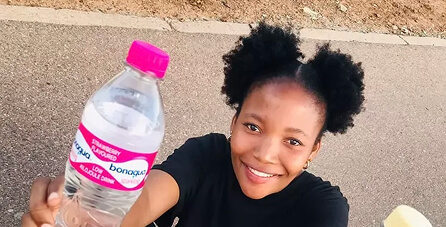
South African creator holding a product during a Q4 campaign
Creator applying skincare product for Q4 campaign content review

06

What to brief in September for a strong Q4

When you sit down to plan your Q4 creator brief, the questions worth answering are:
1

Which consumer profiles are most likely to make a purchase decision in your category between October and December?

2

What does a genuine first-impression review of your product look like from a real buyer's perspective?

3

Which formats; product sampling, affiliate reviews, social buzz, or UGC production, best match your Q4 objectives?

4

How much content volume do you need to cover Black Friday, festive gifting, and December travel or leisure separately?

Answering those questions with 70+ data points behind your creator matching is a fundamentally different exercise from briefing a shortlist of influencers based on follower count.

07

FAQs

Why is Q4 different from other campaign periods for creator marketing?

Q4 concentrates the highest discretionary spend of the year across retail, gifting, travel, and FMCG. Consumers are making larger, more considered purchases, which means social proof from trusted peers carries more weight than at any other time of year. The volume and authenticity of creator content matters more during this window, not less.

Why do regular consumers outperform professional influencers during Q4?

Consumers making significant purchase decisions are more sceptical of polished, sponsored content. A genuine review from a real person who bought and used a product addresses purchase anxiety in a way that a produced influencer post does not. Algorithms on major platforms are also increasingly surfacing content from everyday creators over professional ones.

How early should South African brands start planning Q4 creator campaigns?

September is the practical deadline for briefing. Campaigns that need to be live by late October require creator matching, product seeding, and content review to happen in September. Brands that brief in October are competing for attention in a window that is already closing.

What categories benefit most from community-powered Q4 campaigns?

Big-ticket retail, FMCG, beauty, financial services, and travel all show strong results from community-scale authentic content. Categories where purchase decisions carry real financial weight — and where consumer trust is the primary barrier to conversion — benefit most from real consumer voices.

How does theSalt match creators to Q4 campaigns?

The platform profiles creators across 70+ lifestyle data points covering category interests, purchase behaviour, life stage, and more. That depth allows brands to match consumers who are genuinely in the right mindset for a specific campaign, rather than relying on broad demographic targeting.

What content formats work best for Q4 retail campaigns?

Product sampling and first-impression content works well for new product launches and gifting categories. Affiliate reviews drive purchase confidence for considered purchases. Social buzz amplification builds awareness at scale during peak periods like Black Friday. The right mix depends on your specific Q4 objectives.

How is theSalt different from working with a traditional influencer agency for Q4?

theSalt operates a managed community of 730,000+ verified South African consumers — not a roster of professional creators. The scale, the depth of lifestyle data profiling, and the managed execution model are built for high-volume, authentic content production. That is what community-powered Q4 campaigns require.
Dots Min Pink New Star Asterisk Pink

Q4 is not won by the brand with the biggest influencer budget. It is won by the brand that reaches the right South African consumers, with content that feels real, at the volume the season demands.

If your Q4 brief is not already in motion, September is the window.

Book a demo with theSalt

If you're not in the conversation, you're still being talked about.

Your next campaign is already in theSalt's network

More than 730,000 real South Africans, profiled, verified and ready to talk about brands they genuinely connect with. With theSalt Activate, customer voices are accessible at a speed and price point that changes what is possible.

Albert Makoeng
Albert Makoeng
Albert is a seasoned performance Influencer Marketing expert with 16 years of experience in marketing, media, digital advertising & sponsorship. Albert has held senior positions at DStv, BBC, ESPN and led teams across 20 African markets.